As airlines pursue wealthier customers with premium experiences, some are taking the additional step to further segment their customer base.
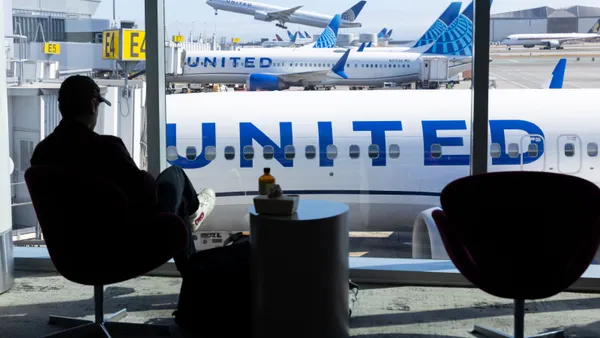
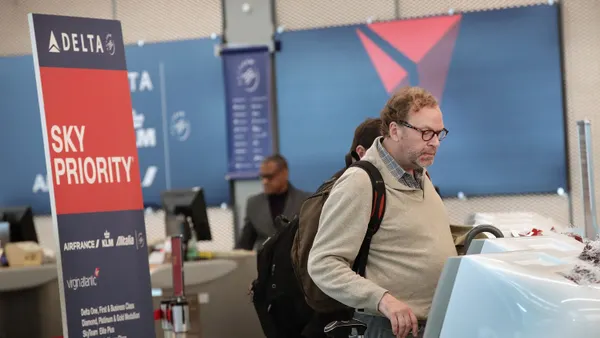
United Airlines is introducing tiered fares in its premium cabin, the airline said last week. Delta Air Lines is exploring the further segmentation of premium fares, too.
“We’re well on our journey, and we’re on target for where we want to be by the end of the year with the premium segmentation,” Joe Esposito, Delta’s chief commercial officer, said during an earnings call Wednesday. “So you can expect more for us in the next couple of quarters.”
Airlines often move as a herd. One airline after another has focused on offering premium experiences to court wealthier customers willing to pay more. Now, United and Delta are working to capitalize on its premium gains by further segmenting the fare types.
“There has long been chatter amongst the top U.S. carriers on segmentation even further up in the plane,” Katy Nastro, a travel expert at Going, told CX Dive in a statement.
United is adding a new base tier to its United Polaris offerings, which already include standard and flexible fares. In the base tier, seat selection is allowed for a fee, and it does not include United Polaris lounge access, flight changes, upgrades or refunds.
Customers who purchase the base fare will still have access to the United Club and have one included checked bag and one included carry-on bag.

In the airline's view, this provides customers with more options and makes it so that they pay only for what they need.
"These new tiered options give customers more choice and make it easier to find a fare that includes the benefits they want most — whether that's a great value, added perks, or maximum flexibility," Andrew Nocella, chief commercial officer at United, said in a prepared statement.
Segmenting premium fares could allow for travelers who were also priced out of the most expensive ticket types to “sample” premium seating, according to Nastro.
“But airlines then have incentive to raise fares on the all-inclusive ticket type, promoting passengers to pay-up for perks,” Nastro said. “The framing is: Only pay for what you need, when in reality, it’s pay up for what you would like.”
Revenue from premium fares have outpaced main cabin revenue in recent quarters. American Airlines saw year-over-year premium unit revenue outperforming the main cabin in the fourth quarter of 2025. Delta, for the 2025 fiscal year, saw premium cabin revenue increase 7% year over year, even as main cabin revenue decreased 5% year over year.
As carriers like Delta look to have 50% of their future cabins feature premium seating, customers should expect to see further segmentation, Nastro said.
The segmentation of the premium cabin mirrors what we’ve already seen happen in the main cabin.
“The great unbundling isn’t just around ancillaries — it’s across cabins as well,” Nastro said.
When budget airlines began offering a basic economy fare at a cheaper rate, legacy airlines followed suit. Bags, which were once bundled into a ticket fare, are usually charged as extras for these basic fares.
United expects to launch the new Polaris categories in select markets this month and will expand it to long-haul international, transcontinental U.S., and longer Hawaii flights later this year.