Dive Brief:
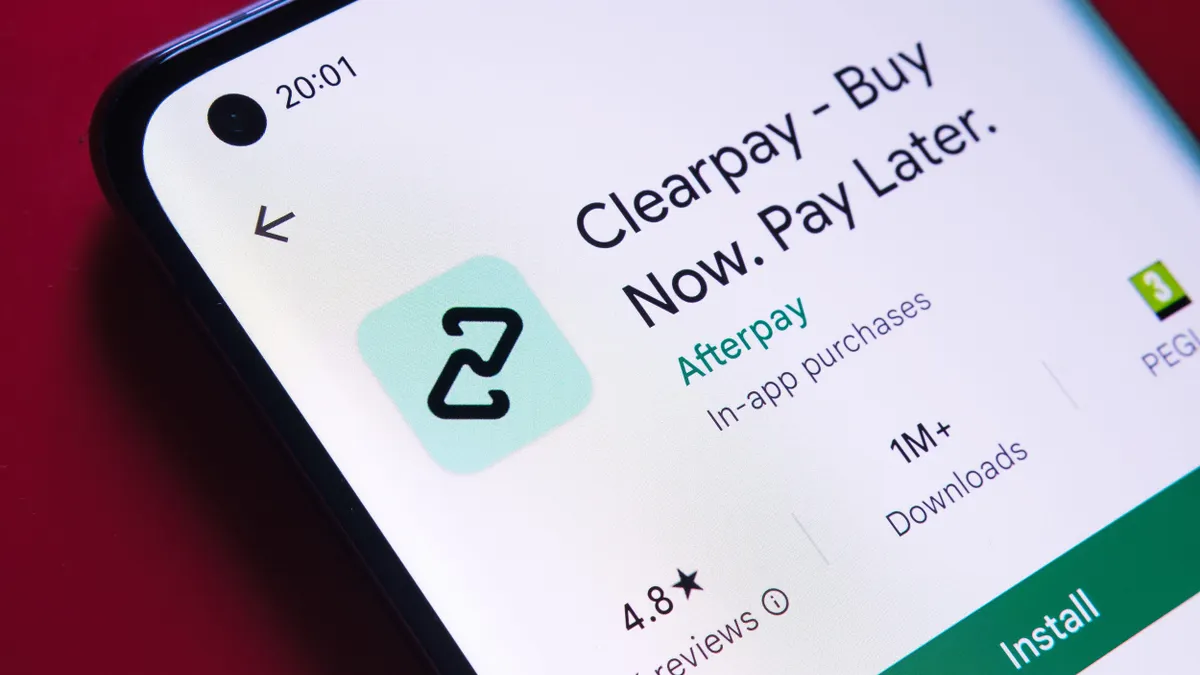
- Buy now, pay later use is "surging" among U.S. consumers amid economic headwinds, according to a survey by behavioral data company Fullstory. But it could jeopardize brand reputation and customer experience if not properly managed, experts told CX Dive earlier this year.
- Nearly half of consumers use BNPL weekly. More than one-third of Gen X, Gen Z and millennials use it more than once per week, compared with only 5% of Baby Boomers.
- “Consumers are taking advantage of alternative payment methods, likely as a result of the widespread desire to better manage spending given the challenging economic landscape,” Jason Wolf, president at Fullstory, said in a prepared statement Tuesday.
Dive Insight:
As inflation continues to squeeze consumers, they’re looking to cross-shop payment methods to find lower financing costs and spread out payments over longer periods.
“To meet consumers where they are and give them the payment options that suit their individual needs, businesses should integrate BNPL into their checkout processes, particularly if they sell big-ticket items like electronics,” Wolf said.
More businesses are offering BNPL as they look to meet expectations for frictionless, alternative payments. The payment option can be a boon for sales, too, as consumers are more likely to spend more.
But as useful as a tool BNPL can be for consumers and businesses alike, it can also lead to financial stress. Overspending amid broader economic pressures, experts warn, could eventually lead to missed BNPL payments, unpleasant collection processes, anger over hidden fees, and more returns and refund requests among overextended customers.
CX experts suggest retailers use BNPL for mid- to high-ticket discretionary items — and not as a form of credit for small purchases.
Fullstory's survey suggests that upper-middle-class households are significantly more likely to use it to pay for electronics, clothing and accessories, and home goods and furniture. Almost half of the respondents said the smallest purchase they would consider using BNPL for would be in the $100-$499 range.
More than half of respondents with a household income of $150,000 to $174,999 use BNPL multiple times per week, compared with only 4% of respondents in households with an annual income of $25,000 to $49,999.
"These findings signify that BNPL has transitioned from novelty to habit," according to the news release.
As BNPL becomes a larger part of the checkout experience, brands would do well to follow best practices, such as monitoring changes to BNPL underwriting to ensure consumers have predictable access to credit, to maximize benefits and minimize CX risks.
A third-party provider carried out the study on Fullstory's behalf, surveying more than 1,000 U.S. consumers in February who had used BNPL at least once.