Dive Brief:
- Nearly two-thirds of consumers believe a recession is likely, according to a EY-Parthenon Consumer Sentiment Survey released Tuesday.
- Financial confidence has declined 12% over the past six months, according to EY-Parthenon. Consumers are responding by reallocating budgets and reducing discretionary spending.
- “What we're seeing is just another turn of the ratchet on a longer trend of feeling less secure about the economy,” Will Auchincloss, EY-Parthenon Americas retail sector leader, told CX Dive.
Dive Insight:
The latest EY survey results show a trend of declining consumer sentiment in response to rising costs. Consumers are becoming choosier about how they spend their money, creating greater competition among brands.
The Bureau of Labor Statistics' latest Consumer Price Index shows just how much prices have risen — 4.2% in the 12 months leading up to May. Energy prices accounted for over 60% of the monthly CPI increase.
To offset rising gas prices, nearly one-third of consumers say they are reevaluating their leisure and entertainment budget, 29% are reevaluating their food budget, and one-quarter are changing travel plans.
“What you're seeing in the shopping behavior is they are rotating categories, they're rotating channels trying to save money, and as we head into the summer holiday season, we're expecting to be more muted than in past years because of those impacts,” Auchincloss said.
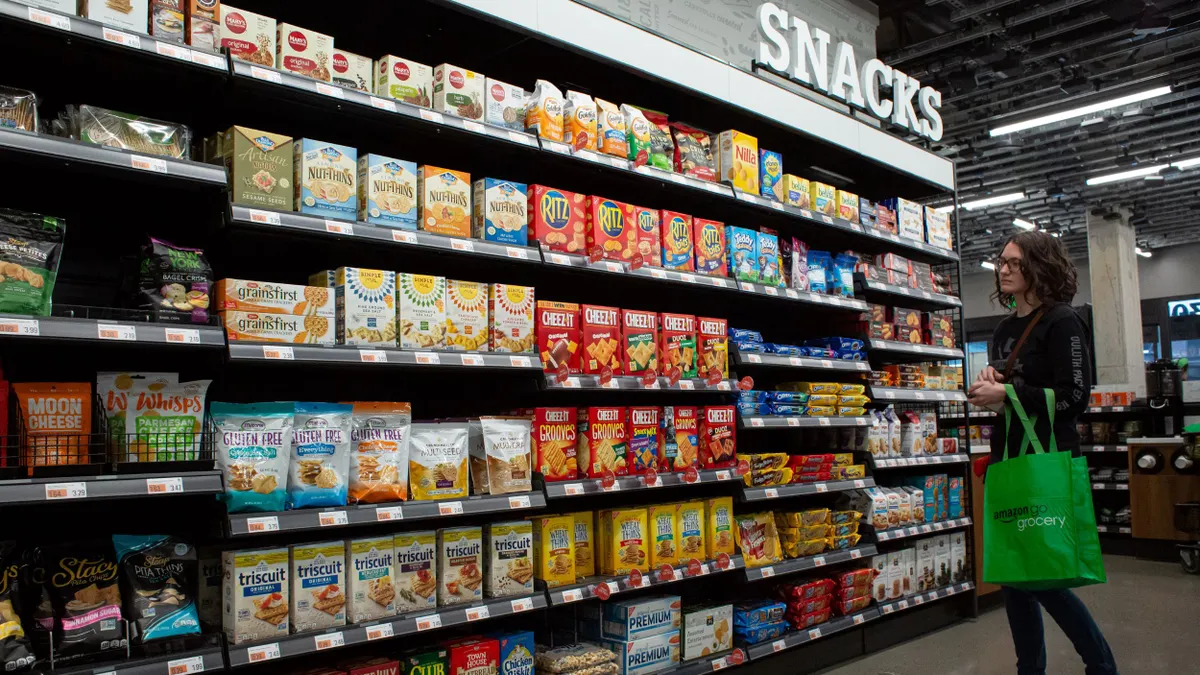
For example, consumers frequently pull back on restaurants, opting to spend more on groceries and eat at home, according to Auchincloss.
Consumers won’t tolerate increasing costs without corresponding value, and many brands have hit the ceiling of raising prices without turning away customers, Auchincloss said.
“They want the brands to be on their side and authentic, they want them to be affordable, and they want them to be good value for what they're purchasing for, and the retailers that are doing that are seeing success in the market,” Auchincloss said.
With such competition, it’s important for brands to demonstrate their value to remind customers why they chose the brand in the first place.
“Certainly the data has shown over the years that focusing on your existing customers is always less expensive than trying to acquire new ones,” Auchincloss said. “A big area we've been leaning into with one client has been actually reactivating dormant clients, if you will, some clients that came in and lapsed, and we think that's a big opportunity for the industry in general.”
However, as consumers reevaluate their spend, there is an opportunity to acquire new customers.
“That does create opportunities for retailers who are smart and strategic about how to go after that, because the consumers are not locked in,” Auchincloss said.