
Lawmakers in New Jersey have advanced a bill that would restrict technology designed to customize prices based on people’s shopping behavior.
The New Jersey Senate Commerce Committee approved the bill, which was introduced in February, on March 16, clearing it for consideration by the Senate Budget and Appropriations Committee.
The legislation would bar retailers from using “any pricing strategy that determines or varies the sale price of groceries or other foodstuffs” based on personal data about consumers. The bill would also make it unlawful for retailers to use personalized algorithmic pricing or methods referred to by critics as “surveillance pricing” to determine what they charge individual consumers for goods.
The bill would not ban retailers from offering discounts “for which eligibility conditions or criteria are conspicuously disclosed and uniformly offered.” It also would not bar grocers from offering discounts through loyalty programs.
“Working people are already confronted with increased grocery costs that are difficult to afford,” state Sen. Joe Cryan, a Democrat, said in a statement. “They should be protected from the intrusive use of artificial intelligence, algorithms, and personal data to exploit their food purchases.”
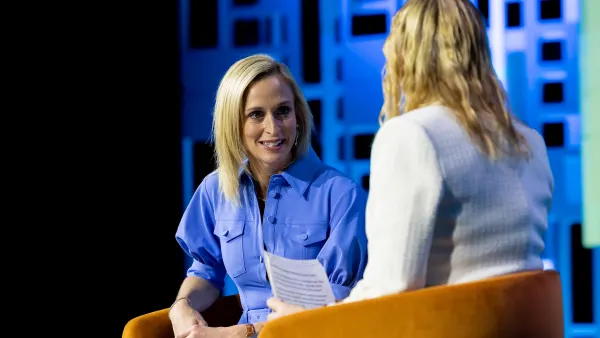
New Jersey Gov. Mikie Sherrill, who took office in January, has indicated that she doesn’t support efforts to use people’s data to set prices and would work with lawmakers to “pass legislation limiting this kind of for-profit surveillance by Big Tech.”
In her budget address on March 10, Sherrill, a Democrat, said she is opposed to what she described as efforts by grocers to change prices based on factors such as the time of day, gender or phone browsing history.
Those strategies mean “if you have to shop after work, when stores are crowded, you’ll pay more than if you’re free to shop at noon. It means if the store knows you just searched for a certain product online, it might charge a higher price. That’s outrageous,” Sherrill said.
The efforts by New Jersey lawmakers to clamp down on dynamic pricing methods come as legislators in other states, including Minnesota, New York, Oklahoma, Washington state, Arizona, Nebraska, Maryland and Tennessee, also work on measures that would restrict how retailers can determine prices.
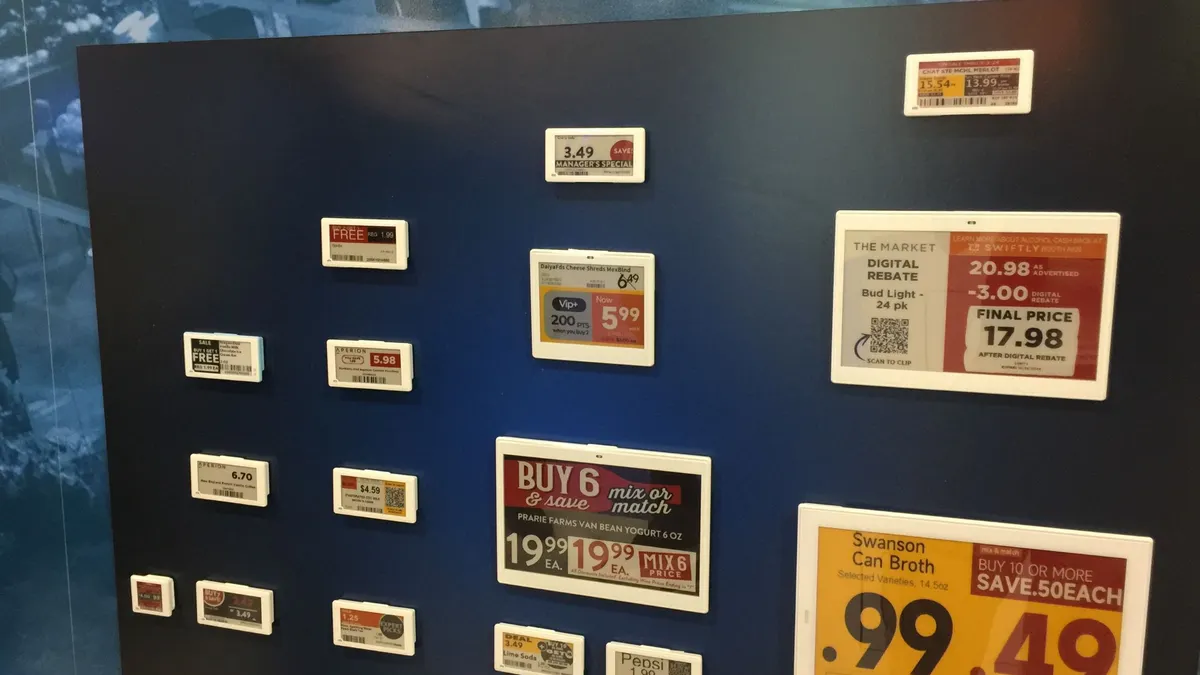
The United Food and Commercial Workers International Union, which represents grocery workers, has voiced support for legislation that would restrict pricing practices by retailers. UFCW locals in Minnesota plan to hold a press conference on Wednesday to drum up support for efforts by state legislators to pass a bill aimed at banning “surveillance pricing” and electronic shelf labels, which critics have said retailers can use to unfairly manipulate prices.
The UFCW also said it supports the New Jersey bill that advanced last week. Last month, the union launched an “Affordable Groceries and Good Jobs Campaign” designed in part to convince federal and state lawmakers to “take action on surveillance pricing and electronic shelf labels.”
“New Jersey legislators are taking a strong first step towards protecting families and workers from these harmful pricing technologies. No one should have to watch prices jump in front of their eyes as they buy food for their family,” the union said in a Monday statement.
Grocers have defended their use of ESLs and dynamic pricing practices, saying those tools allow them to offer value and provide customers with a better shopping experience.