A best in-store retail experience isn’t just pleasant — it sticks with customers after they leave and makes the brand the first thing they think of when it’s time for another purchase.
What the top retailers, including Costco, H-E-B and Fleet Feet, had in common was they gave customers more reasons to come back than convenience alone.
Retailers need to give customers a better reason to return than force of habit, according to ChangeUp co-founder and Chief Strategy Officer Bill Chidley. When customers can simulate the experience in their heads, they will remember it fondly. If the trip was frictionless but forgettable, they won’t necessarily associate the brand with getting what they need.
“What we're finding now is that because there's more consolidation of trips and fewer trips people are taking, it's much more important for that memorability metric to pop,” Chidley told CX Dive.
Efforts to cut friction and support product discovery are and will continue to be an important part of a good experience. But the retailers with the best CX go beyond the basics and layer on features that make them stand out from the competition with a strong sense of discovery, local pride or expert service.
The top brands on ChangeUp’s 2026 experience report excel across multiple CX sentiments, according to Chidley. The survey asked more than 6,500 customers how they felt about aspects such as memorability, unprompted desire to visit and return intent.
The top 10 retailers by experience
“A lot of brands have migrated more towards high utility,” Chidley said. “I only go to a drugstore when I have to pick up a prescription, or I only think of this particular brand when I have back-to-school purchases to make or I run out of inkjet cartridges.”
Winning the trips through discovery
A decent selection and acceptable experience is all it takes to win a routine trip. Top retailers like Costco bring customers back even without an immediate need.
“The holy grail of any brand experience is that you have something that makes you want to go, but that isn't necessarily the necessity of the trip,” Chidley said.
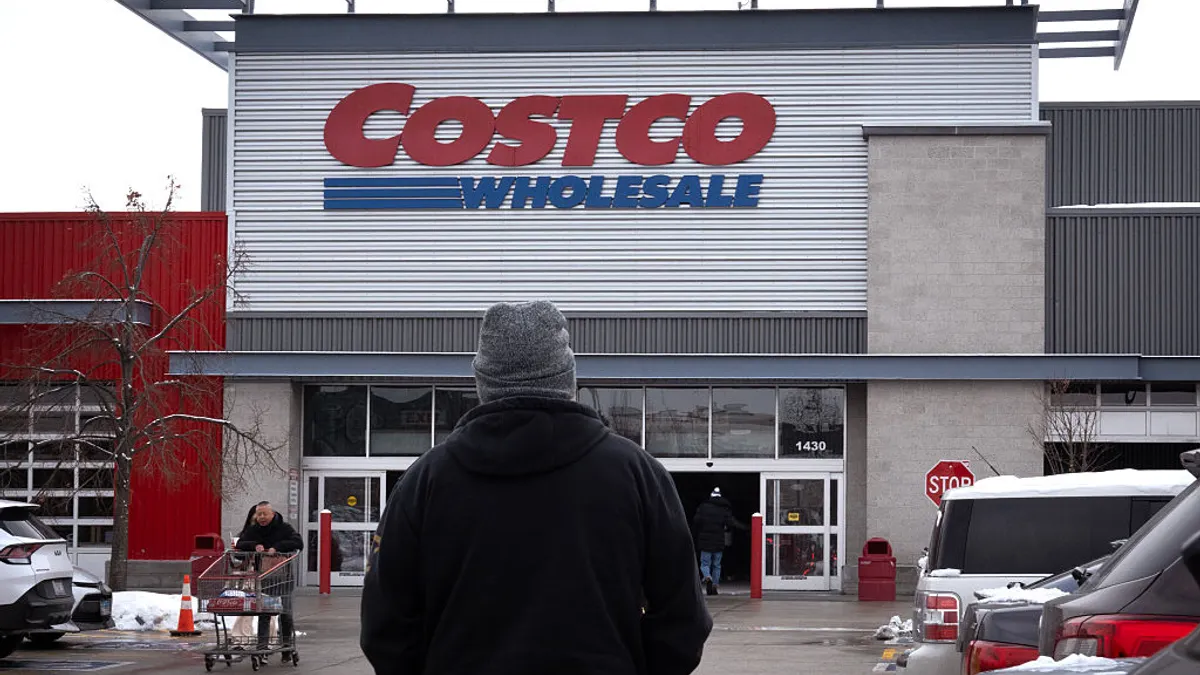
Costco performs well on customers’ unprompted desire to visit due to cultivating a sense of adventure and discovery, according to Chidley. The sheer size of the warehouse, variety of samples and rotating stock makes customers want to explore the possibilities before they miss out.
The thrill of the hunt is a common draw for customers in general, according to Greg Carlucci, senior director analyst at Gartner. The firm’s research has found that more than half of consumers choose to shop in-store when they’re in the mood for exploration and discovery.
That sense of discovery can be enhanced by letting customers sample merchandise or including interesting displays that make the aisles more memorable.
“I think enjoyable experiences, and that could be testers or immersive end caps, just create more of a fun experience,” Carlucci told CX Dive.
The power of local pride
Regional brands can create an experience that perfectly fits into what their audience wants, which helped H-E-B take second place in the retail rankings.
Like Costco, the Texas-based grocer ranked highly across every metric, Chidley said. While it doesn’t have Costco’s breadth of products, H-E-B is “indelibly linked to Texas” and shapes its experience around that audience.
Deep local knowledge is an advantage strong regional retailers and restaurants can bring to help them stand apart from national competitors, according to Chidley.
“It unlocks how you can merchandise,” Chidley said. “It unlocks the stories you can tell about your brand. It unlocks the attitudes you can display about certain people, places and things in the way you go to market.”
That strength can be limiting, according to Chidley. A brand like H-E-B that bases its experience around a certain region can tailor the experience to a specific customer base, but that CX magic won’t necessarily carry over if the company tries to expand beyond its traditional borders.
Specialization can be a boon
The third-ranked retailer on ChangeUp’s list was Fleet Feet, a retailer that sells running gear and has fewer than 300 locations. That specialization turned out to be Fleet Feet’s greatest strength.
Fleet Feet’s performance came as a surprise for ChangeUp, as it wasn’t on their radar as a major contender, according to Chidley. However, it outperformed many larger retailers due to its ability to specialize.
“The more you narrow your offering to a very small, more specialized audience, the more you can delight them,” Chidley said. Retailers with a broader product selection can’t be as singular in their approach — what Chidley called “the curse of being a generalist.”
The specialist retailer’s expertise is reflected in the people who work in the store, according to Chidley. Retailers with a narrow focus can staff up with subject matter experts that elevate their experience.
The importance of customer service has shown up in Gartner research as well, which found that three-quarters of consumers prefer shopping in a physical store when they’re looking for great customer service.
“What that means is having store associates that can enhance the experience by providing educational information about something new or help them solve a problem,” Carlucci said. “Despite progression in online shopping tools and capabilities, that can't replace having a topical expert in-store that can answer those questions.”