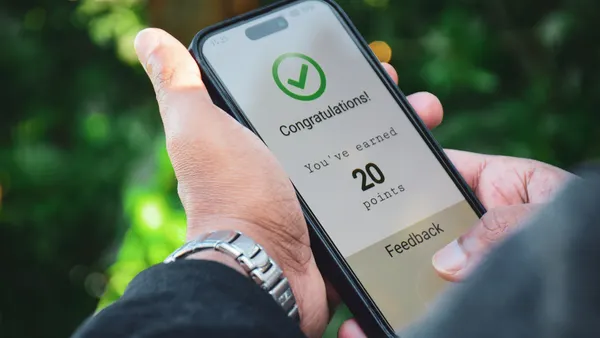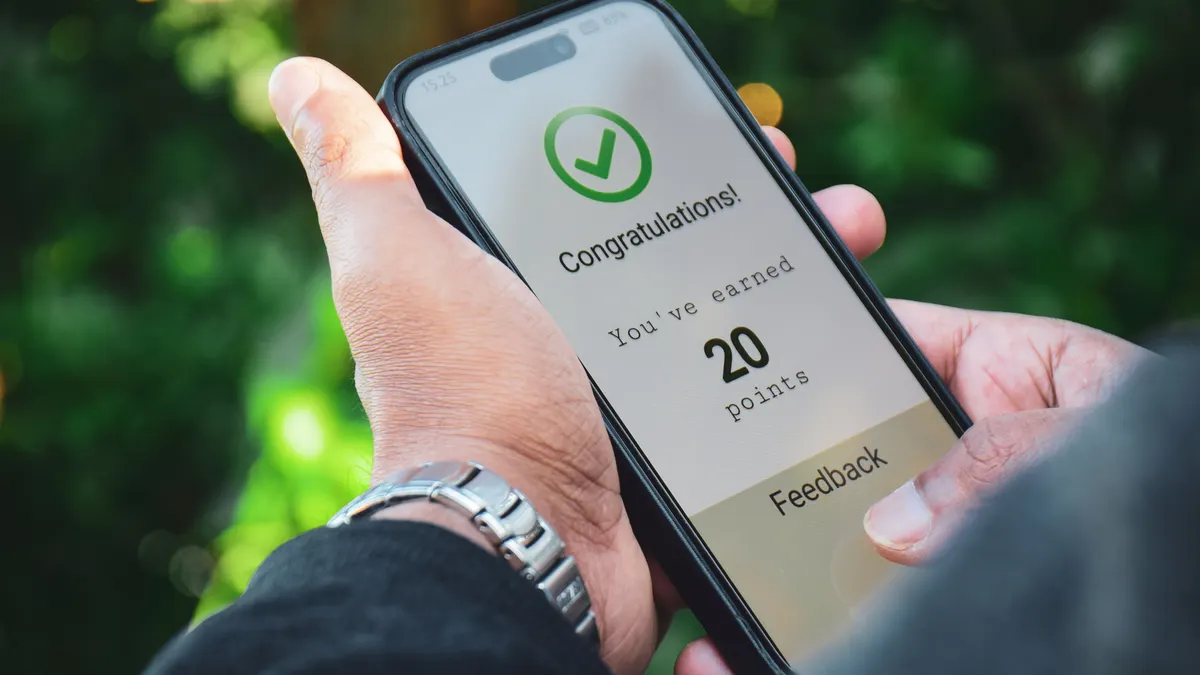
Behavioral science rests at the heart of any loyalty program, according to Patricia Camden, loyalty leader for EY Americas. Points-based loyalty programs are no exception.
Points provide a great reason for customers to engage with a business while offering the company plenty of levers to pull to adjust consumer behavior.
“I can see myself moving toward that reward, and that is a very powerful behavioral motivator,” said Camden, who is also managing director of EY Studio+ Customer Experience. “We like to accumulate something of value. We want to come back and check on it.”
Points aren’t a silver bullet for loyalty success. Companies need to make sure their offerings are right for their industry, ensure the options don’t overwhelm customers, and recognize that each point carries a real cost. They also need to contend with the fact that points are losing their luster for many consumers.
Even with such challenges, points can add compelling value to a loyalty program from both the customer’s and business leader’s perspective.
“They're loved by consumers because they’re visible, and I can count them,” Camden said. “Brands love them because they give the brand a lot of flexibility.”
Why different industries use points
The goal of points can usually be summarized by four common objectives, according to Dan Woods, global market leader for retail and e-commerce at Alorica. Companies want points to increase customer lifetime value, create demand without impacting margins, draw in customers during off-peak times, and maximize the return on investment with adjustable earning and redemption options.
Which goals a given company will pursue is often a matter of the industry in which they operate.
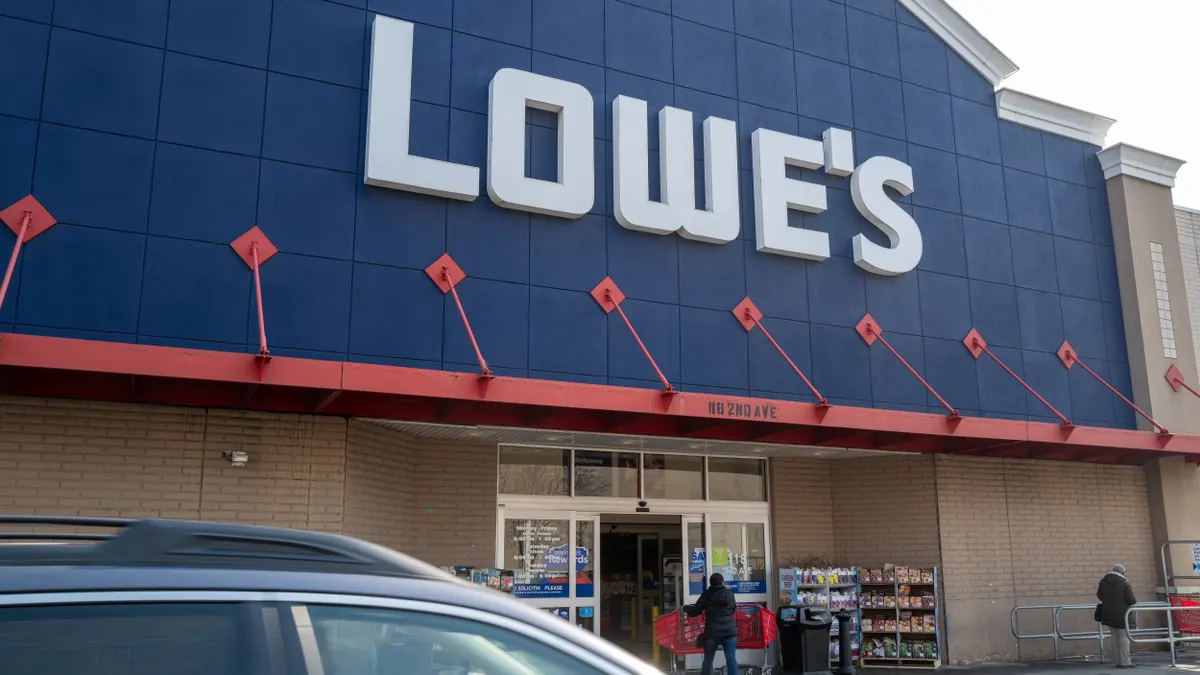
For retailers, maximizing customer lifetime value is the primary objective, according to Woods. Retailers want to drive incremental purchases, and points offer a flexible framework for encouraging that additional spending through a number of avenues.
“I decide what behavior, based on my business goals, I want to reward — whether it's repeat visits, whether it's increased basket size, whether it's referrals,” Camden said. “Whatever it is, the point system can adapt to that.”
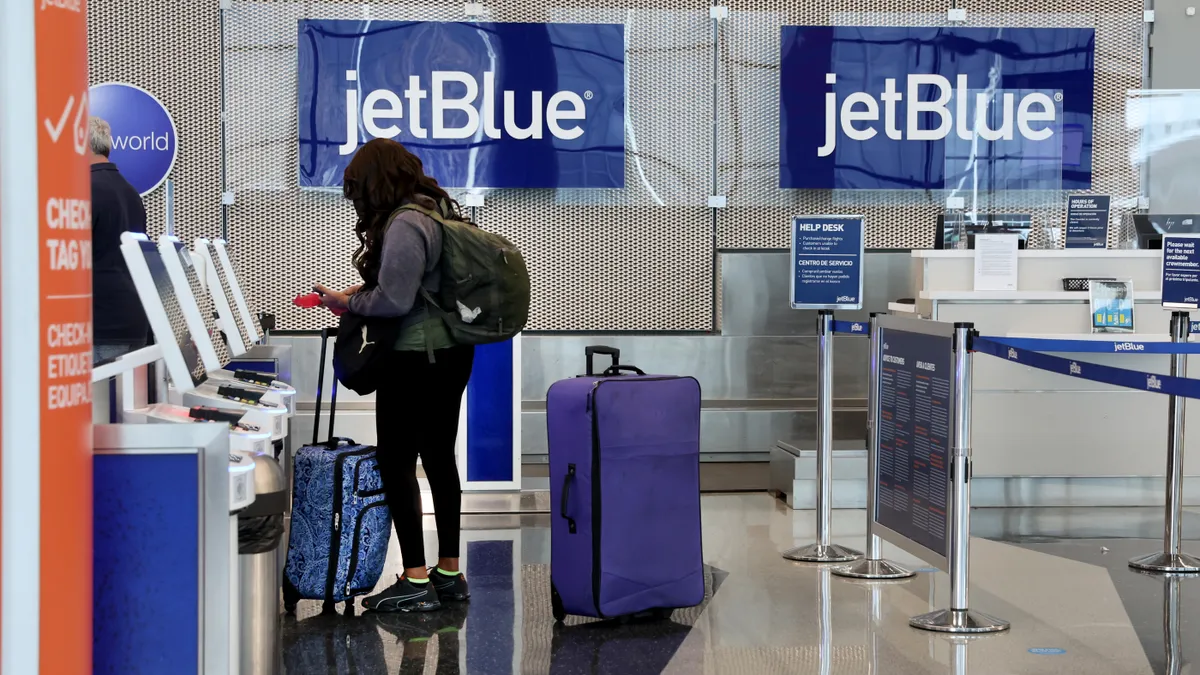
Travel and hospitality brands, on the other hand, often use points to encourage bookings during off-peak periods while encouraging customers to spend more during the busy times.
Companies can adjust their loyalty programs so points go further during periods with low hotel occupancy or when flights have trouble reaching maximum capacity, according to Woods. When customers don’t need encouragement to book a room or flight, companies can incentivize additional spending by adding more opportunities to earn points.
“They're going to give out less points to maximize spending in those off-peak periods,” Woods told CX Dive. “On the flip side, during the peak periods, you may see an increase in rewards because they want to encourage spending while customers are on the property.”
When too much choice creates friction
One of the most valuable benefits points bring to a loyalty program is letting customers choose how and when they want to get their rewards.
“I don't really want personalization — I want control,” Camden said. “As a customer, I can decide what feels most valuable to me, if I prefer a discount, or I prefer merch, or I prefer experiences, or whatever.”
While consumers love having choices, the spread of options needs to be easily understood, according to Woods. Too much friction in a loyalty program and the benefits aren’t worth the hassle.
“Their predominant objective is to simplify this for the redemption of those points,” Woods said. “You don't have to go through layers of customer support to get resolution. Rather, you go in, you apply the points, and you can pick the service or product that you want to procure.”
Brands need to be transparent about the value of a point as well, according to Camden. If a rewards structure tries to hide the value of its points, rather than present them in simple to understand numbers, customers tend to assume each point is worth less than it is.
Points aren’t free for businesses
Loyalty points aren’t legal tender, but they do carry a cost. Companies need to account for not just the price of the loyalty program’s rewards, but the behind-the-scenes infrastructure that powers the program.
“Every time you issue a point, it's a future liability that exists on the brand's balance sheet until it either expires or it's redeemed,” Camden said. “And for large programs like at some of the big retailers and some of the big transportation companies, that's billions of dollars in deferred value that sits on their balance sheet.”
There is a personnel cost, too. Every points program is a complex financial instrument behind the scenes, according to Camden. Teams of people need to forecast redemption rates, calculate the costs of rewards, and figure out how much value the loyalty program is actually bringing in.
Companies need to stay on top of consumer sentiment, according to Woods. Poor word of mouth won’t just reduce engagement, it can permanently drive customers away from the brand.
Companies need to constantly listen to what customers are saying about their program, because the earlier they can pinpoint problems the better, according to Woods. A good loyalty program is often the endpoint of an iterative process.
“A lot of the programs that we see now that are successful have gone through multiple years of retooling to get to the point where that is now,” Woods said.
When do points lose their luster?
Just because a loyalty program offers points doesn’t mean consumers feel like they’re getting something for free.
About 70% of consumers say the perceived value of loyalty points has dropped, according to Camden. The perception is especially strong in airlines, where consumers feel their miles aren’t going as far as they used to.
“Customers notice that stuff right away, and they are very vocal about it,” Camden said. “What happens over time is that if customers feel like these rewards and all the points that are required are starting to get out of hand, or they don't add value anymore, it becomes meaningless. They don't engage as much.”
Even when the cost is right, the results can fail to match expectations, according to Woods. While the customer has already spent their money, a poor redemption experience can stop them from referring the brand to a friend or even turn them into a detractor.
“You see it predominantly in entertainment where a lot of people expect the VIP treatment, and that VIP treatment may be watered down or not meet the expectation specific to the customer's objectives,” Woods said. “There's definitely an impact on long-term customer spend.”
A good points-based loyalty program comes down to making it feel enjoyable, according to Camden. Keeping the points system simple and avoiding the perception that the rewards are disappointing or expensive will keep customers engaged.
“We always tell our clients that points really should feel like a pleasant surprise or gift,” Camden said. “It shouldn't be like homework, and many times it does.”