Dive Brief:
- Customer satisfaction across industries is stagnating, according to the American Customer Satisfaction Index Q4 2025 report released last week.
- Overall satisfaction remained at 76.9 on a 100-point scale in the fourth quarter, unchanged for three consecutive quarters, according to the ACSI, which surveyed about 200,000 customers. The score has fallen from a high of 78 in Q1 2024.
- Flat customer satisfaction is a “warning sign” that the economy isn’t as healthy and competitive as it seems, according to Forrest Morgeson, associate professor of marketing at Michigan State University and director of research emeritus at the ACSI. It suggests that even as companies report record breaking profits, new disruptors aren’t entering the market with fresh products or services to raise customer satisfaction levels.
Dive Insight:
Typically in a healthy economy, customer satisfaction and loyalty rise hand in hand. But despite flat customer satisfaction in the fourth quarter, the ACSI found that customers showed increasing intention to repurchase.
“That's a very unusual situation,” Morgeson said. “We would only ever expect to see increasing loyalty if we're also seeing increasing satisfaction. And that says that there's something else going on, and what we normally attribute that to is the consumers feeling like they have less choice.”
On the macro level, the ACSI attributes stagnant satisfaction to compounding market concentration, increasing seller pricing power and higher buyer switching costs.
“If you look at our energy utilities, we always see that customer retention or loyalty scores much higher than satisfaction,” Morgeson said. “That's easy to explain. Most customers don't have a choice when it comes to which electrical utility that they use. And so now that we're seeing that at the national level.”
When such instances are increasing in industries where there is more competition and consumers, market concentration is likely at play, according to the ACSI.
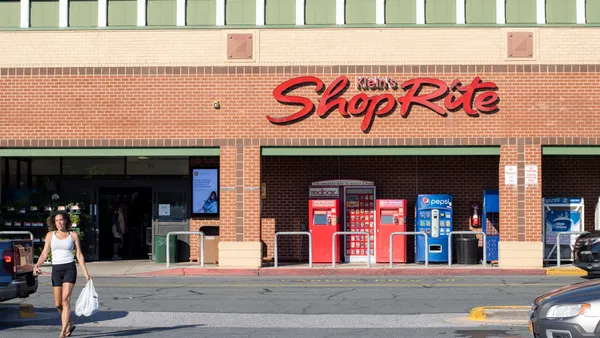
“We're seeing more customers feeling like they don't really have a choice,” Morgeson said. “They've got to go to their local supermarket because it's the only game in town.”
Or perhaps a customer finds it too onerous to switch their phone provider, even if they’re not very happy with the service.
While such switching barriers can make relationships more sticky, they “ultimately have a backlash at some point, and that's that pent up demand,” Morgeson said.
As soon as a better option comes along, customers will take it if they can. With consumers starting to engage in recessionary behaviors, they’re looking to cut back on spending, save money and look for reliable service.
“That could happen as a big wave,” Morgeson said. “As the economy weakens a little bit, people start discounting and start lowering some of these barriers. You can see big waves of consumers leaving their current supplier of whatever it may be, and going to a competitor.”