The growing role of technology in CX is undeniable, but people still play a vital role in crafting great experiences — especially for high-touch experiences like restaurants and luxury retail.
AI has become central to the experience for customers and associates alike at Dine Brands, acting CIO Chris Padilla said at the National Retail Federation Big Show earlier this week. Guests can expect a more personalized experience, while employees have tools that help guide them through even the most hectic parts of the day.
“Today, AI is in our frontal lobe,” Padilla said during a session on mobile technology. “It's been pushed there over the last few years, and we're really seeing a massive opportunity in how we consume it, how we understand and use it, not only in our everyday lives but for the enterprise, for our customers, for our team members.”
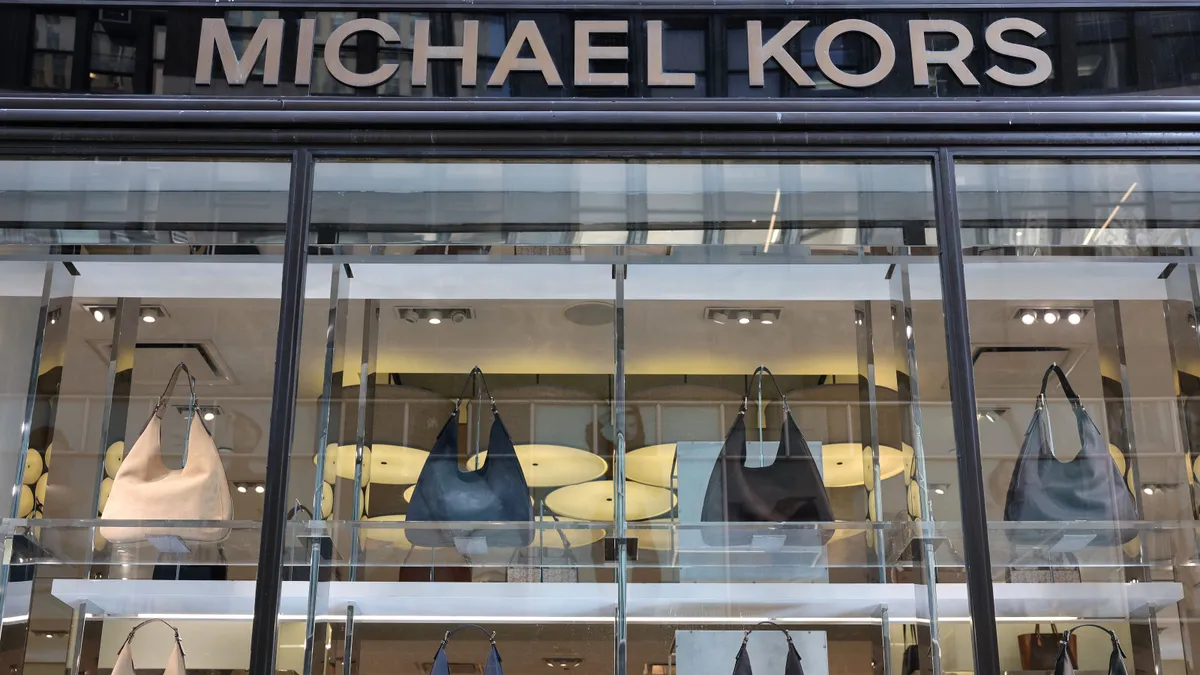
For Michael Kors, the big benefit of AI is helping its associates refine their highly personalized clienteling efforts, Jordan Bowry, senior director of retention marketing and global CRM, said during another session. The technology helps the luxury retailer create interactions that are timely as well as highly personalized.
Tablets help managers be more present
The introduction of server tablets at Dine Brands’ restaurants has been a major boon for customer service, according to Padilla.
The company’s efforts have helped workers speed up service while reducing errors, according to Padilla. The shift from pen and paper to electronics lets employees handle more work while improving accuracy for customers.
“When we think about that customer experience and how technology has shaped it, it's transformed how we operate,” Padilla said.
Frontline staff weren’t the only workers to benefit, according to Padilla. The combination of AI and mobile tablets has freed restaurant managers from their desktop computers, letting them play a larger role in perfecting the customer experience in real time.
“Really, the goal in all this and what we're driving with our technology, is to allow them to be more present,” Padilla said. “And they're more active, whether it's back of house or front of house, whether you're making sure the kitchen is not slammed or that the next goal is running as it should be, and it's very much the future we have in mind.”
Perfecting the art of helping customers
At Michael Kors, technology is a way to elevate clienteling from an in-store service to an omnichannel experience.
Customers don’t see Michael Kors as a retailer with online and in-store channels, according to Bowry. They see it as a single cohesive brand from its marketing materials to stores.
The company puts a heavy emphasis on clienteling, including getting associates involved with its marketing campaigns.
Workers have access to company and customer data that lets them plan outreach based on Michael Kors events, ranging from promotions to new product launches, and can tailor their message to a specific customer, whether it’s contacting a core client or reengaging with a lapsed shopper.
“We're just following up at the right moment,” Bowry said. “I think it can be really powerful.”
Michael Kors uses predictive AI models to improve associate knowledge, allowing them to focus on building relationships rather than digging through client data, according to Bowry. Technology is a helpful assistant, but it’s ultimately up to people to create standout experiences.
“I think AI is very good at pattern recognition, but it can't replace human connections,” Bowry said. “AI can't find those moments where an associate can see what a customer's thinking and anticipate their needs. AI has been great, and I think there are some applications that have been really helpful, but rather than replacing our jobs, it's really about augmenting our jobs and helping us.”