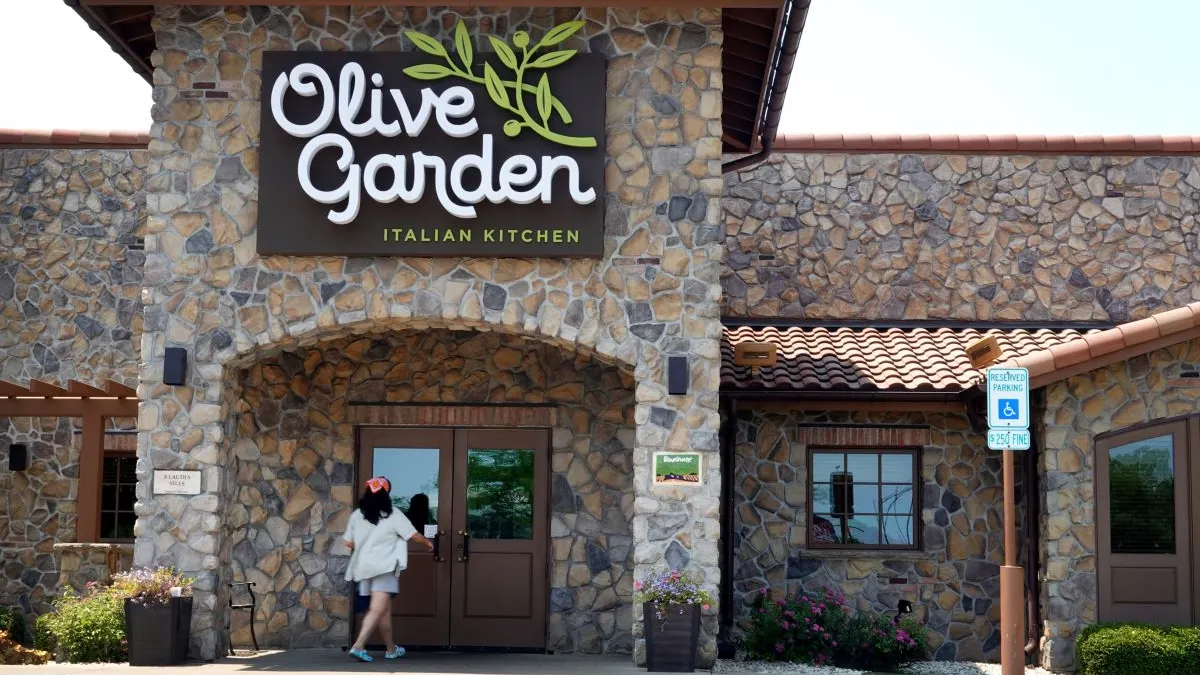
Olive Garden made headlines last month when it reintroduced its Never-Ending Pasta Pass after a six-year hiatus.
The promotion, which offered 10,000 passes granting customers 13 weeks of unlimited pasta for $100, led to chatter across news sites and on social media. But generating interest isn’t the same as bringing in new brand-loyal customers, according to Sujay Saha, founder and CEO of experience consultancy Cortico-X.
“I don't believe that the buzz is loyalty,” Saha told CX Dive. “Buzz gets people in the door once. Loyalty is what happens when they come two, 10, 40 times.”
Olive Garden isn’t the only company that offers exclusive experiences, and the same lessons apply to any business that wants to create incentives to both generate and reward loyalty.
Turning exclusive experiences into loyalty is a matter of execution — if things don’t go smoothly, the opportunity will be lost. Brands also need to understand how potentially expensive events can actually produce a return on investment, and leaders learn how to make exclusive rewards appealing even to customers who haven’t yet earned them.
Exclusive benefits are about status, according to Len Covello, CTO of loyalty vendor Engage People. Special perks, whether won through contests or accumulated rewards points, give customers a reason to engage with the company.
“It definitely drives behavior,” Covello told CX Dive. “I am going to perform these actions because I am looking for this status symbol and the exclusivity that you get with that.”
CX Dive reached out to Olive Garden for comment but did not receive a response prior to publication.
Execution is the make or break moment
Exclusivity is just an incentive, not the desired outcome, and if companies that fail on execution, an experience will likely cost loyalty rather than build it.
One poorly prepared dish, and suddenly that customer who acquired an exclusive opportunity doesn’t feel so loyal, according to Saha. And even if the physical execution of an experience was perfect, an emotional hurdle like a rude waiter can leave the customer feeling let down.
“Customers don't remember what you did for them, but they will remember how you made them feel,” Saha said. The emotional connection “is probably the most tangible in terms of outcomes that the companies are looking for.”
The key to getting the experience right is having the people and tools in place for a smooth operation, according to Saha. Problems like long waits, overburdened staff and inconsistent service can erode the fun of an experience like the pasta pass.
Brands can get ahead of potential problems by capturing information about customers ahead of the loyalty event, according to Saha. Technology like AI can help teams dig through relevant data and ensure they aren’t caught off-guard by unexpected surges in customer traffic.
When things do go wrong, the situation is now about making it right for the customer. The way to course correct depends on the context, according to Covello. This can range from getting them to the front of the line for the next exclusive event to offering an equivalent number of free loyalty points or access to a higher tier of loyalty status.
“There's things within their control that I think proportionately used make the customer feel whole, and can make them an advocate,” Covello said. “That's a scenario where the currency may be enough and arguably, more often than not, is enough to help that customer out.”
Don’t forget to create a ROI
Exclusive events cost money, whether it’s a pass for free meals or access to a concert. Teams need to make sure the benefits eventually outweigh the costs.
The economics of an exclusive experience are no different from the economics of issuing loyalty points, according to Covello. Each kind of reward costs the company an associated dollar value.
Based on some rough math, a customer taking full advantage of Olive Garden’s pasta pass can potentially cost a location $2,000, according to Saha. Not every customer will eat that much free pasta, but it serves a baseline for setting cost expectations.
For businesses that franchise, part of the execution is corporate ensuring franchisees are ready to deal with the short-term costs for the long-term payoff, according to Saha. In turn, the franchisees need to deliver the emotional payoff that will translate into long-term loyalty.
The ROI from the pasta pass isn’t the $100 it costs, according to Saha. It’s the relationships the promotion builds with customers, including pass winners who keep coming back to dine at full price and onlookers who were drawn into Olive Garden’s loyalty ecosystem.
The true value of exclusive promotions like this is how the investment is increasing the value of the customer, according to Covello. Retention, advocacy and acquisition can all add to the loyalty value proposition for the brand.
“You're really pulling it out of the same bucket of funds you have for customer acquisition and customer retention,” Covello said. “You can ultimately prove the ROI here by looking at your customer base. Are they growing? Are they more engaged with your brand?”
Celebrate the loyalists as well
By definition, not everyone can be part of an exclusive experience. Many of a given brand’s most loyal customers will never win a contest or reach the highest rewards program tier — but there are other ways to make them feel included.
A flashy promotion like the pasta pass is great for getting attention, but it doesn’t create a big tent to welcome in potential customers or reward loyalists, according to Saha. Only 10,000 passes were available for the millions of people who have dined at Olive Garden.
Brands who want to reward a large share of their biggest fans can invest in smaller events.
The key is to understand your customer base and what they want, Saha said. Loyal customers may not necessarily want their own equivalent of free pasta. They may be more driven by early access to information about upcoming products or an opportunity to test a potential future release.
“There are so many things that can be done to actually reward the loyalists and celebrate their loyalty,” Saha said.
The key to celebrating loyalty is to look beyond minor transactional benefits, according to Covello. The pasta pass wouldn’t have nearly the same emotional resonance if it were just a 10% coupon. Experiences are more likely to feel exclusive.
“We see this today in airlines and hotels with things like status or the ability of front of the line services, or Amex gets you access to events,” Covello said. “Those are the types of things that drive true aspirational loyalty from a user. It's that FOMO piece that they want to be a part of.”
These experiences can be lofty, but they should still be attainable, according to Covello. The key is to be exclusive, but not exclusionary. Even if the biggest rewards are reserved for lucky winners or the biggest spenders, companies can still offer smaller, more readily available perks that build emotional connections.
Tiered loyalty programs can be a good way to combine exclusive and attainable rewards.
“I think as long as you've got tiers, it creates that ladder effect of, ‘Okay, I've moved on from the first tier to second tier, and I'm aspiring to get to the top tier,” Covello said. “That's a key piece, and having multiple ways to get there is huge for these loyalty programs.”
The goal across all of these rewards is to build the emotional loyalty that transactional rewards can’t match, according to Covello. These are the loyalty rewards that will turn customers into fans.
“If you can do experiences right, that's something that creates true loyalty and true memory with the brand,” Covello said.