As useful as upselling and cross-selling are to sales, brands must be thoughtful about such tactics to avoid leaving customers with a sour taste in their mouths.
“The balance between customer experience, customer satisfaction and profitability is more delicate than ever,” said Patricia Camden, managing director and loyalty leader at EY Americas. “Brands want to grow the basket, but they cannot afford to erode trust or push customers away in the process.”
Cross-selling and upselling can help businesses boost sales, meet customer needs and, when done well, increase brand loyalty.
But it’s also a “huge risk,” according to Leah Leachman, senior director analyst at Gartner.
Customer experience quality has reached an all-time low, with many businesses focusing more on the bottom line than customer satisfaction.
Upselling is part of the problem. Customers notice when brands use the tactic to pressure them into spending more, creating an adversarial relationship between brands and consumers.
“There's a trigger in [the consumer’s] brain that goes from thinking about a sales agent or platform as a partner or tool to a competitor,” said Jared Watson, assistant professor of marketing at New York University’s Leonard N. Stern School of Business.
As a result, customers are more likely to regret their purchase because they were “sold something they definitely didn’t need,” Watson said.
Customers want to feel like they’re in control of their experience, but irrelevant offers, high-pressure sales tactics and poor timing take control away. When customers feel like they aren’t in control, they become more cautious, less receptive to recommendations and more likely to consider competitors.
“Upselling only helps the business when it helps the customer maintain confidence and control,” Camden said. "An irrelevant offer signals that the company is focused on the sale instead of the person, and trust breaks fast."
Breaking that trust has real business costs. In the short term, companies must deal with more returns, customer inquiries and bad reviews. In the long term, it can have negative consequences for customer satisfaction, brand reputation and loyalty.
Despite those costs, many brands remain focused on near-term goals.
"It's easy to make an impulsive change for short-term gain,” Leachman said.
Upselling done right
Knowing your customer is essential for effective cross-selling and upselling, and it starts with having robust customer data.
“The next step is designing around the customer’s intent, not the company’s revenue target,” Camden said. “Every customer leaves clues.”
Brands should analyze patterns in consumers’ search behavior, browsing paths, past purchases and loyalty interactions to understand what customers want to achieve.
“When an offer matches that intention, it feels natural. When it does not, it feels forced,” Camden said.
Good upselling also provides consumers with additional value. That’s why brands should focus more on selling complementary rather than supplementary products. For instance, if a customer buys a winter coat from an online retailer, the brand should upsell gloves or a hat instead of another winter coat.
Customers also need to maintain control of their experience, as they respond better when offers are easy to ignore and don’t interrupt them. The more an upsell moment supports a consumer’s “momentum,” the more likely they will welcome it, Camden said.
“Upsells should feel like a suggestion, not a requirement,” Camden said.
Brands must also build learning into the system, using feedback loops to understand which offers resonate and which ones create friction. For instance, the system should adapt if a customer repeatedly ignores an offer.
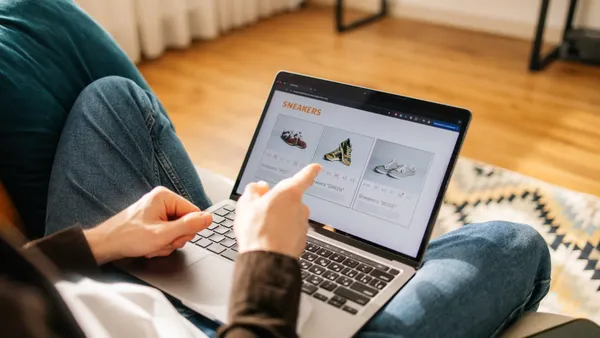
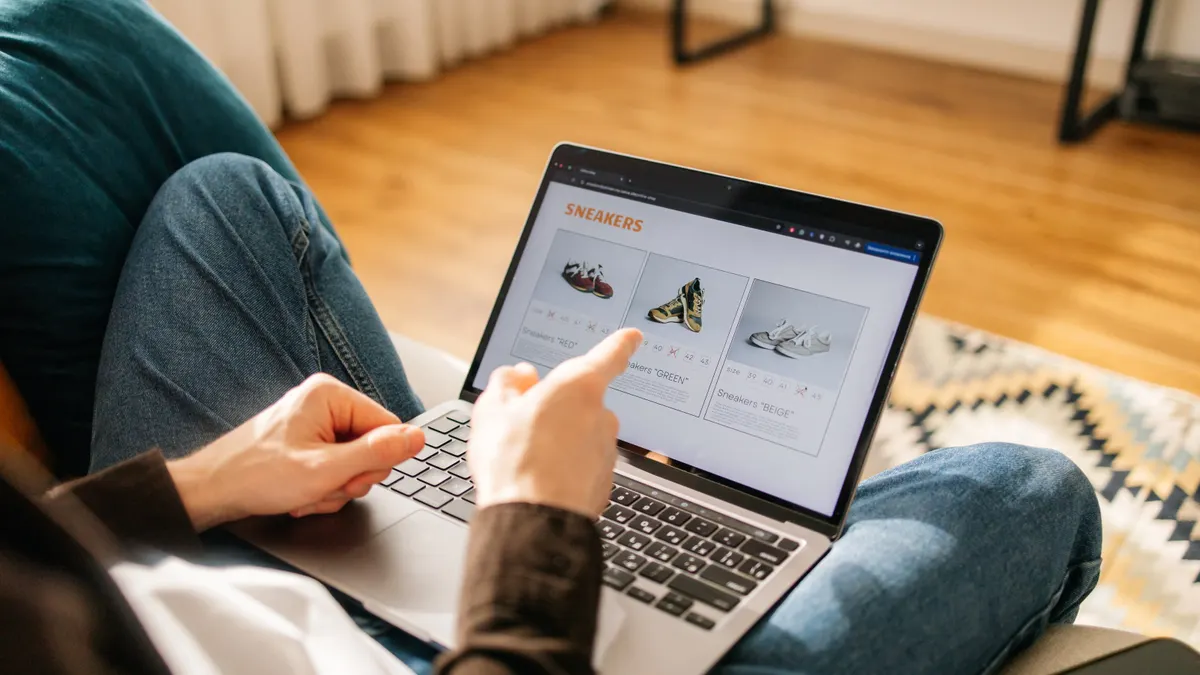
"In the online space, upselling often comes in the form of pop-up boxes, additional menus and more clicks to navigate the purchase funnel,” Watson said. “That can be a little irritating for customers — they think they're at the point of purchase, and then they have to click through a couple more screens.”
AI can help brands analyze customer data more efficiently, thereby optimizing offers and recommendations. But humans still need to be part of the equation.
“The point is not to automate the upsell; it is to make the experience feel more intuitive, personal and responsive,” Camden said.
However, while data, analytics and AI can help improve customer experience, some brands have found success with a tech-free approach. Trader Joe’s, for example, encourages its employees to recommend their favorite products to consumers to add a personal touch, even if it takes extra time to finish their work.
And, while potentially anxiety-inducing for those in the C-suite, Trader Joe’s employees don’t have a script.
“They just talk about things they like authentically,” Leachman said.
The strategy has paid dividends, as it's one of the most loved grocery store brands in the United States.
But regardless of how they upsell, CX leaders should follow one clear principle, Camden said.
“Upselling should help customers make better decisions,” Camden said. “When it consistently supports the journey, it builds trust and will strengthen long-term loyalty.”