Dive Brief:
- Consumers are looking for both readily achievable and aspirational reward options in loyalty programs, according to a survey of more than 2,000 consumers released Monday by Arrivia, a travel loyalty platform.
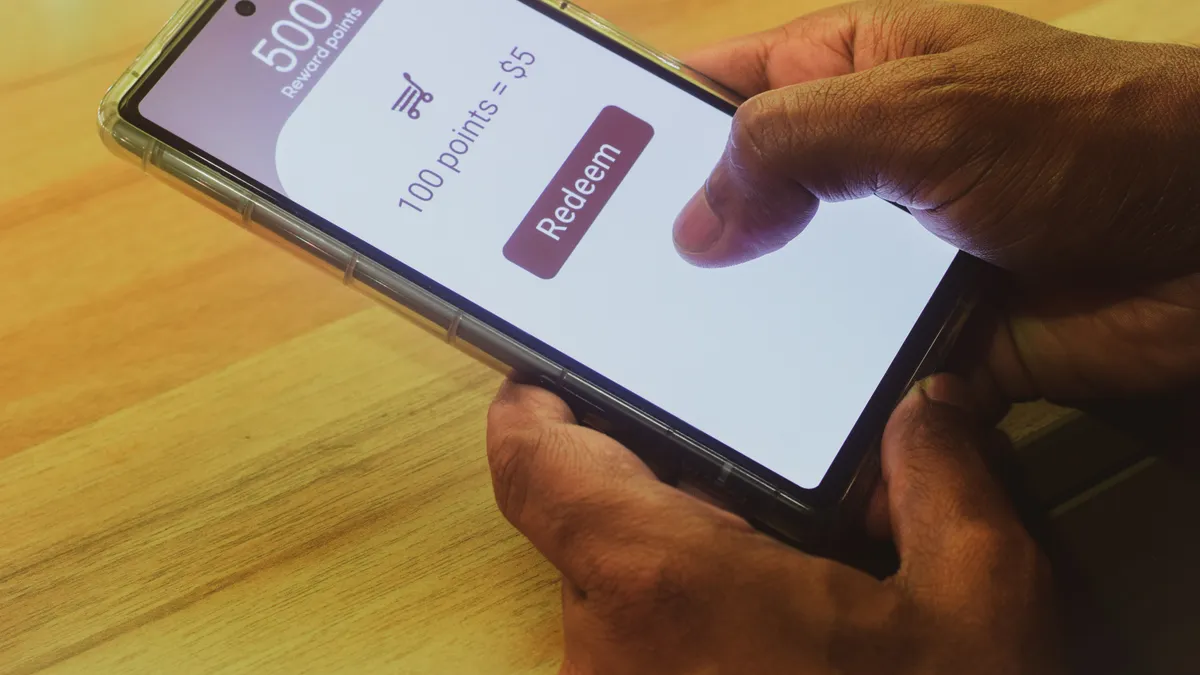
- The top reason consumers would engage more with a loyalty or membership program is more valuable everyday rewards, according to the survey. The next highest reason for upping engagement was bigger, more exciting rewards to aim for.
- Loyalty programs fall short when the rewards don’t feel worth the effort. Respondents listed rewards that aren’t valuable enough and rewards that are too hard to earn or redeem as the top shortcomings.
Dive Insight:
Many brands are turning to loyalty programs to regain waning customer loyalty. Companies as diverse as Hyatt, United Airlines and Starbucks all revamped their loyalty offerings this year as brands continue to work on winning over customers in a tough economy.
These programs are facing stiff competition. The average U.S. consumer says they belong to 14 or 15 programs, but they are only active in five or six, according to Bobby Stephens, principal in Deloitte Digital’s retail and consumer products practice.
Plans are in place to improve loyalty and beat out competition. About half of leaders say they plan to upgrade their rewards and redemption experience in the next 12 months, and nearly half say they plan to invest in their loyalty platform technology, according to the Arrivia study, which also surveyed 250 manager role or higher business leaders.
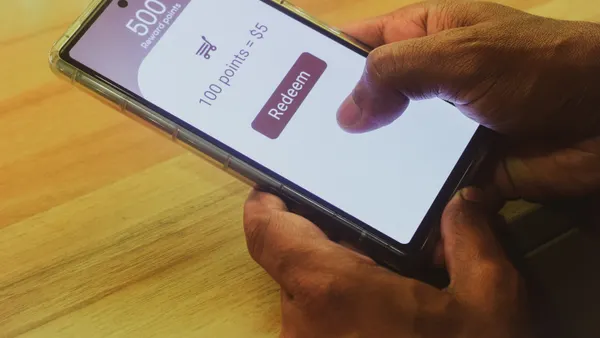
Brands that increase engagement with loyalty programs are likely to see financial benefits. For example, 3 in 5 shoppers say they are more likely to visit stores where they have points and rewards to redeem, according to a Loyalty Lion study.
Customer engagement outcomes, such as repeat usage, redemption, retention and satisfaction, are the second-highest metric organizations use to evaluate loyalty platform performance, only beaten by reliability and performance, according to Arrivia.
Companies need to make sure they don’t mistake engagement for true loyalty, however. Only 61% of consumers feel genuinely known or recognized by their favorite brands, according to an AnswerLab study.