Dive Brief:
- The vast majority of consumers, 90%, say belonging to a brand’s loyalty program makes them purchase from that brand again, according to a report from LoyaltyLion, a customer loyalty and engagement platform. Another 70% say they are more likely to shop with brands that have loyalty programs.
- Consumers are also more likely to visit stores with which they have loyalty program membership: 60% of shoppers say they are more likely to visit stores where they have points and rewards to redeem, while 85% believe in-store access to a loyalty program is important, according to the survey of 4,000 consumers.
- Loyalty programs are “probably one of the most effective methods that we see” to drive repeat purchases, according to Halle Stern, director analyst in Gartner’s marketing practice.
Dive Insight:
Loyalty programs are powerful drivers of repeat visits, especially as consumers face economic headwinds.
“Given the economy, we've done a lot of research that buyers — both consumers and B2B buyers — are looking for any way to get some sort of discount,” Stern told CX Dive.
Over half of respondents, 53%, say they are more likely to sign up for a program amid economic uncertainty, according to LoyaltyLion. And today, amid depressed consumer sentiment and worries of a recession, 3 in 5 consumers say they are more likely to sign up for a program than a year ago.
Brands aren’t always good at communicating the benefits of their loyalty programs, however.
“Where a lot of brands go wrong in terms of repeat purchases is around not communicating how the program will help you to save time or save money, or become more efficient,” Stern said.
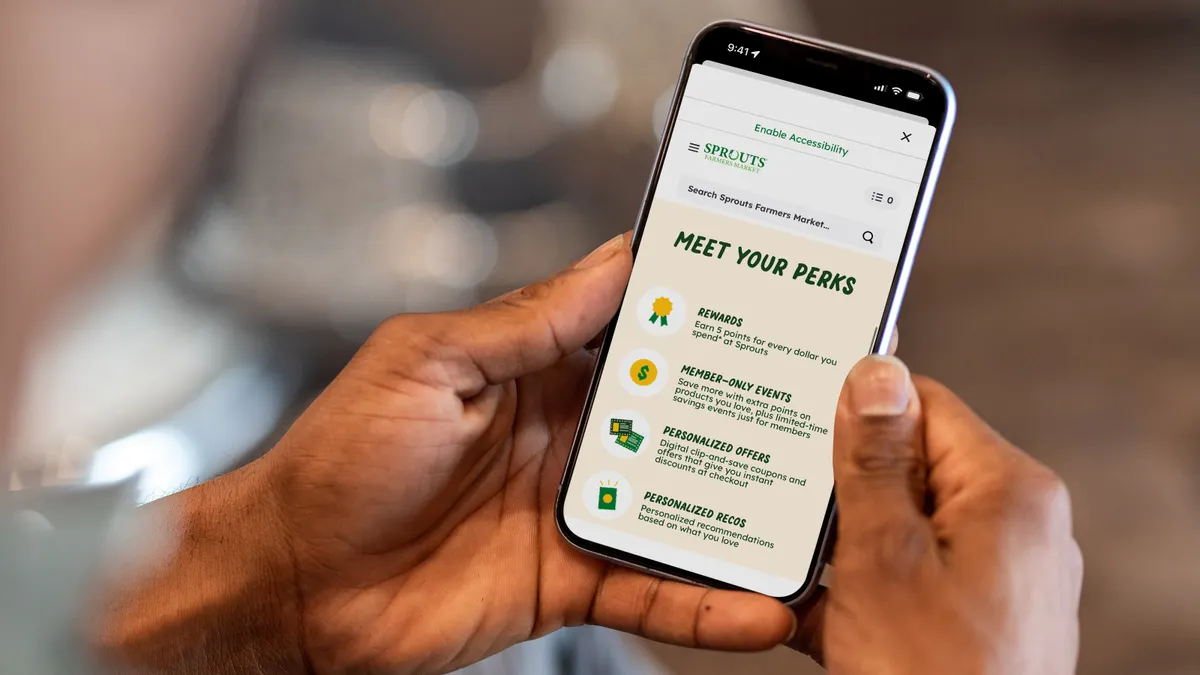
Brands can provide a clear landing page that breaks down what consumers get from the program and how to earn and redeem points. They also need to reevaluate their relevance on an ongoing basis.
“I think that loyalty programs, being the most effective method for repeat purchases, the programs that do this really well are constantly, like Home Depot, are constantly refreshing their program and making sure that the benefits that they offer are relevant to their target segments.”
Loyalty programs that act as discount engines only go so far. Stern points to her husband as an example.
“He has a loyalty program membership for every coffee, fast food retailer — he's a super user of loyalty programs,” she said. “Now, all these brands think that he's loyal, but he's not. He's just looking for the cheapest price. He's looking for the discount.”
What turns repeat visits into actual brand loyalty is the additional layer of experiential earning opportunities and experiential benefits, Stern said.
“Traditional earn-and-burn programs, transactional benefits are just purely table stakes to get you in the door,” she said. “What keeps you in the door is something that's unique, not just from your competition, but from all the other loyalty programs that your target segments interact with. I think that brand loyalty is driven purely by experiences on top of transactional programs. Programs that are purely transactional are just driving discounts.”
Editor’s note: Reporter Bryan Wassel contributed to this reporting.