For over a decade, customer experience professionals have lived by the mantra, “Friction is the enemy.”
The best experience, the thinking goes, removes every possible step, delay and moment of doubt. But stripping it all out can leave customers and brands worse off.
"We need to rebalance how we think about friction. It's both good in some instances and bad in others," said Sam Stern, senior manager of service design and customer experience at LinkedIn.
Part of the problem is how CX professionals learned the lesson in the first place.
Early CX work took hold in the contact center, where reducing customer effort was unambiguously good, according to Menon Billingsley, head of solution strategy for technology, media and telecom at Qualtrics. The field took the idea that “friction is bad” and applied it everywhere.
“It just caught on,” Billingsley said. The industry even went so far as to create the customer effort score to measure and manage it.
But deliberate friction often deepens trust and loyalty, while removing it can quietly erode the customer relationship, experts say.
CX leaders need to understand what makes friction good or bad, “and be able to spot the difference,” Stern said.
The cost of frictionless
When you remove all friction, you get the opposite of what most brands want: an experience customers forget.
“There’s nothing left for the customer to actually remember,” Stern said.
That’s a problem because customers often return based on what they remember and how the experience made them feel.
“Emotion really is one of the stronger drivers of loyalty, and it really does outpace simply accomplishing a goal or reducing effort,” Billingsley said.
Good friction often works by slowing customers down — adding a little effort so people stop and think. A slower, more deliberate process can also signal quality — it’s a hallmark of luxury brands like Ferrari and Rolex.
The clearest cases protect customers from their own mistakes. Amazon, for example, will alert a shopper that they are about to buy a book they already own.
“It might be that I’m buying it as a gift or lost my copy, but it might be a mistake,” Stern said. “That’s good friction because it helps avoid that feeling of regret.”
But how much friction an experience ought to include depends on the stakes: higher-stakes situations require more friction than lower-stakes ones. Stern pointed to the four-step process that GitHub — a cloud-based website where software developers store, share and collaborate on code — forces users to navigate before they can delete a project.
“Deleting a project is a big deal. So, they put more friction in front of you to make it so that only projects you truly intend to delete get deleted,” Stern said.
Friction can also bring the fine print to light. Travel booking websites and apps, for example, frequently ask customers to add or decline travel insurance before booking a non-refundable fare.
"They're reminding you that you're getting a great rate, but buyer beware," said Christine Dworkin, VP of customer experience at Ipsos North America.
Done well, that pause turns a passive transaction into an active choice.
"Ease can sometimes make things a default, and then customers aren't realizing what they've chosen because you've served it up so easily," Dworkin said.
Telling good from bad
The difference between good and bad friction often comes down to a single question: Does the friction serve the customer or the business?
Subscription services, for example, often make it easy to sign up for a membership but make it difficult to cancel. In the short term, that benefits the brand, not the customer.
“Think about who benefits from that obstacle in the most honest way you can,” Billingsley said.
Making cancellation easier and more transparent is usually good for business in the long term, even if it means losing a sale occasionally.
“You're letting customers know that your brand is going to tell them what they can expect and give them choices that they can tailor to their unique needs,” Dworkin said. “The transparency aspect of it is really important for trust-building. It's going to build that foundation of loyalty,” Dworkin said.
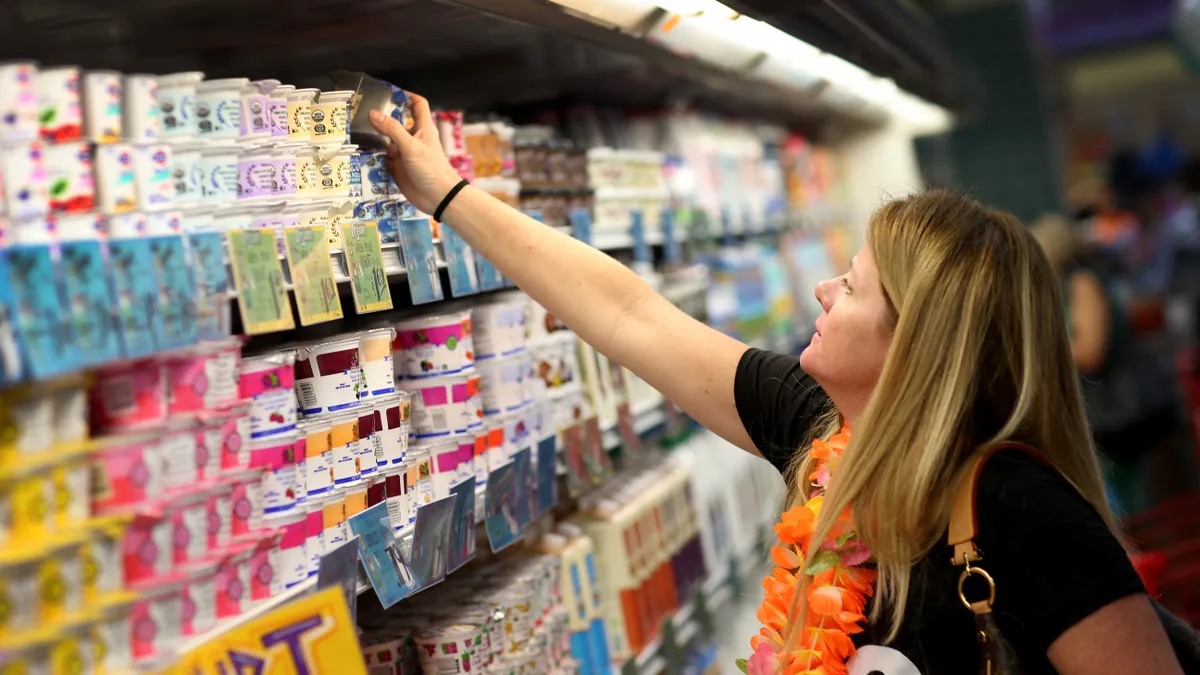
The payoff of a higher-friction experience can be substantial, experts say. Trader Joe’s, which forgoes self-checkout, curbside pickup and delivery in favor of a high-touch checkout with an actual person, is the highest-rated U.S. grocer for customer experience and has led the category in sales per square foot.
That’s not despite the high-friction experience. It’s because of it.
“The cashiers are wearing Hawaiian shirts, and they're very friendly. Every time I check out, they say something nice about something I bought or thank me for bagging. That creates a nice moment at the end of the experience,” Stern said.
And while most brands won’t intentionally add that much friction to their customer experience, Trader Joe’s serves as an important reminder that “you don’t have to buff out every little bit of friction from your experience to have a good one,” Stern said.